

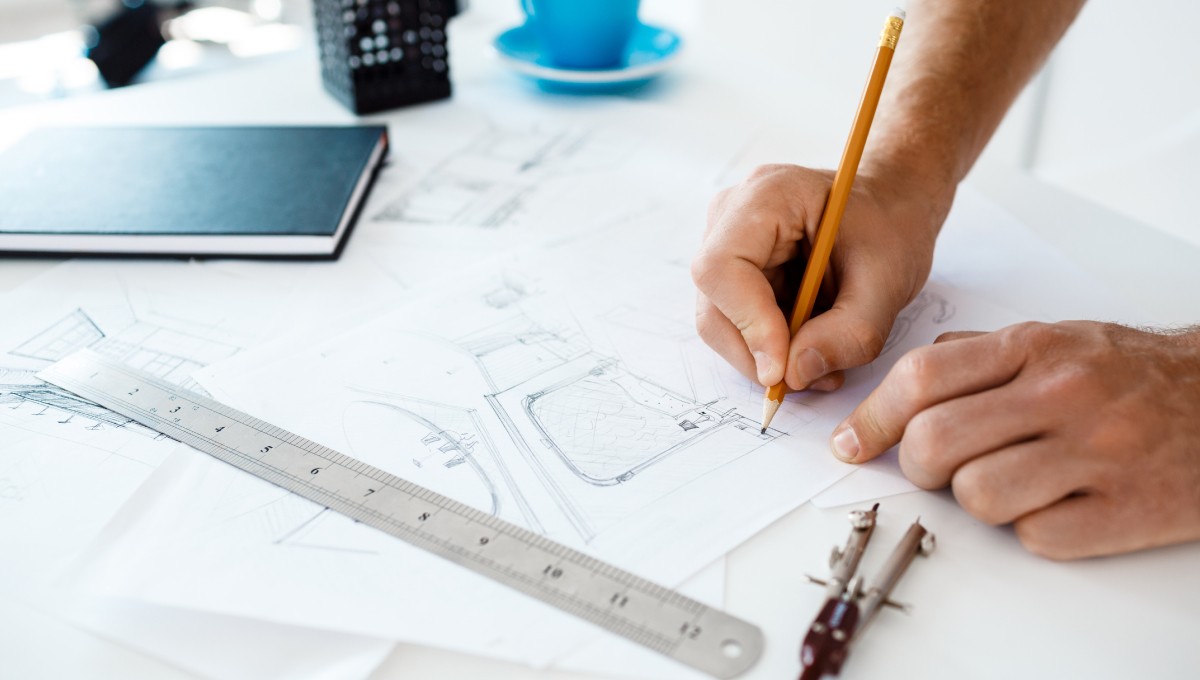
Turning a product idea into a finished part takes several steps. It starts with design and continues through samples, tooling, production, and delivery. Concept-to-production design services bring these steps together. They give businesses a clear plan to move a product from an idea to manufacturing.
From Product Idea to Design Planning
First, the team needs to understand the product. What will it do? What material will it need? How many parts will the customer need?
These answers shape the production plan.
The process can include:
- Reviewing the product idea and its needs.
- Planning the design and the right way to make the part.
- Bringing engineers, suppliers, and production teams together.
Good planning keeps each step on track, from the first design to the finished part.
How 2D and 3D Design Support Product Development
A clear design gives the team a starting point for making the product. A 2D drawing shows the part from different sides. A 3D design shows its shape and features in more detail.
Design support can include:
- Developing the product concept.
- Creating 2D and 3D designs.
- Reviewing the production design.
- Planning a custom production program.
This gives the team a better view of what needs to happen before manufacturing starts.
Why Prototype Development Matters Before Tooling
A prototype is an early sample of the product. It lets the customer see and review the part before production tools are made.
Prototype options include:
- Computer-generated images and scale models.
- Working beta models.
- Small runs of prototype parts.
Customers can check the sample and ask for changes. This gives the team a chance to improve the design before moving ahead.
What Happens During T-0 and T-1 Sample Approval?
Some projects use two sample stages: T-0 and T-1.
| Sample | Purpose |
| T-0 | The first sample. It shows how the part compares with the design. |
| T-1 | A later sample that includes changes made after the T-0 review. |
The customer can review the updated sample before production begins.
How Material Selection Shapes the Production Plan
The material affects how a part looks, feels, and performs. It also affects how the part is made. Projects can use plastic, metal, or composite materials. The team reviews the part’s use, weight, strength, and other needs before choosing a material and production method.
When Do You Need an Aerospace Carbon Fiber Manufacturer?
Aircraft seating parts need strength without adding extra weight. An aerospace carbon fiber manufacturer can make custom cabin parts from carbon fiber-reinforced polymers and other high-performance composites.
These materials support lighter aircraft seating components, such as:
- Seat arms and adjustable seat parts.
- Seat brackets and lumbar supports.
- Seat pockets and tray components.
The process starts with a review of the customer’s 3D design and material needs. FEA analysis and mold-flow modeling can also be used when needed.
How Tooling and Manufacturing Move the Design Forward
Once the customer approves the prototype, the team can build the production tools. For aircraft seating parts, the process also includes a T-1 sample before production. Next, machine programming and production take place through partner facilities. The manufacturing team follows the process from tooling to final assembly and quality checks.
How Quality Checks Support Production Readiness
Quality checks help the team review the materials and finished parts. Depending on the project, checks can include:
- On-site measuring, testing, and inspection.
- Tracking key part dimensions.
- Statistical Process Control during production.
- Material checks and third-party inspections.
The work can also include finishing, assembly, labeling, packaging, and shipping.
Coordinating Design, Suppliers, and Production
A product can involve many teams. Engineers plan the design, suppliers provide materials, and manufacturing teams make the parts.
We coordinate with domestic and international partner facilities, raw material suppliers, and engineering teams. This brings the different stages together.
Some production programs can also start with smaller quantities and grow as demand increases. The right plan depends on the product and its order needs.
Start Your Product Development Project
Have a product idea ready to move forward? Dalton Manufacturing and Consulting Group can coordinate design, prototypes, tooling, production, and delivery through its concept-to-production design services.
Call (216) 570-5250 or email macdsolutions@gmail.com to discuss your product and production needs.
Frequently Asked Questions
1. What do concept-to-production design services include?
They can cover product design, 2D and 3D drawings, prototypes, tooling, manufacturing, inspection, finishing, packaging, and delivery.
2. Why are prototypes made before production?
A prototype lets the customer check the part and request changes before the team builds production tools.
3. What parts can an aerospace carbon fiber manufacturer make?
Custom aircraft seating parts can include seat arms, brackets, adjustable parts, lumbar supports, seat pockets, and trays.
4. Are FEA and mold-flow analysis used in aerospace projects?
Yes. These methods can be used when needed to review a part’s design and the molding process.